Description
I wanted a rose that didn’t exist yet, and to find it I went backwards.
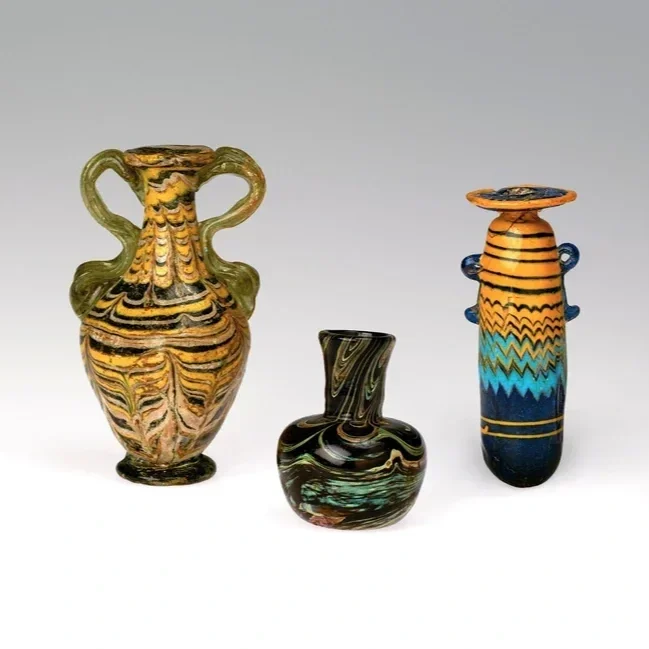
I had smelled hundreds of contemporary roses: always the same character, the same result, the same composure. When a road is saturated, the only place left to find something is before it was ever drawn. So I started studying. Months of old manuals, herbariums, texts on the history of perfume. Then, inside a treatise made up of seventy-one paragraphs, a room. A workshop high up in Athens, kept in half-darkness because sunlight ruins everything. Terracotta and alabaster vessels. A man dips quinces, calamus and violets into cold oil, pulling them out before they darken, putting them back in, pulling them out again. His gestures are poetry and rigour: a repetition of necessary actions, performed exactly when they are needed. On the workbench: rose worked that day, three saffron stigmas, a grey branch of chaste tree, verjuice in an earthenware vessel, a handful of salt. At the back sits Theophrastus, the divine speaker, Aristotle’s successor. He visits the workshops of unknown perfumers, interviews them, watches them work, then writes everything down on his tablets. Fortunately, he did. Those precious notes became the oldest systematic treatise on perfume to have survived, the first to make perfume-making the subject of rigorous scientific inquiry. Then I came across paragraph forty-five. It speaks of rhodinon, the lightest and weakest of them all. And precisely because of this, it fills everything and lets nothing else through. Perfumers would secretly anoint undecided customers with it, so they could no longer smell anything else. I read it and understood that it had worked on me too. It had completely taken me. I wanted to create a rose that was lush, bittersweet, dressed in saffron yellow rather than anchusa red. Darkness did the rest.
Nothing remains of those workshops. Not even a stone. What remains is the wonder, the obsession with nuances, and a treatise in seventy-one paragraphs.
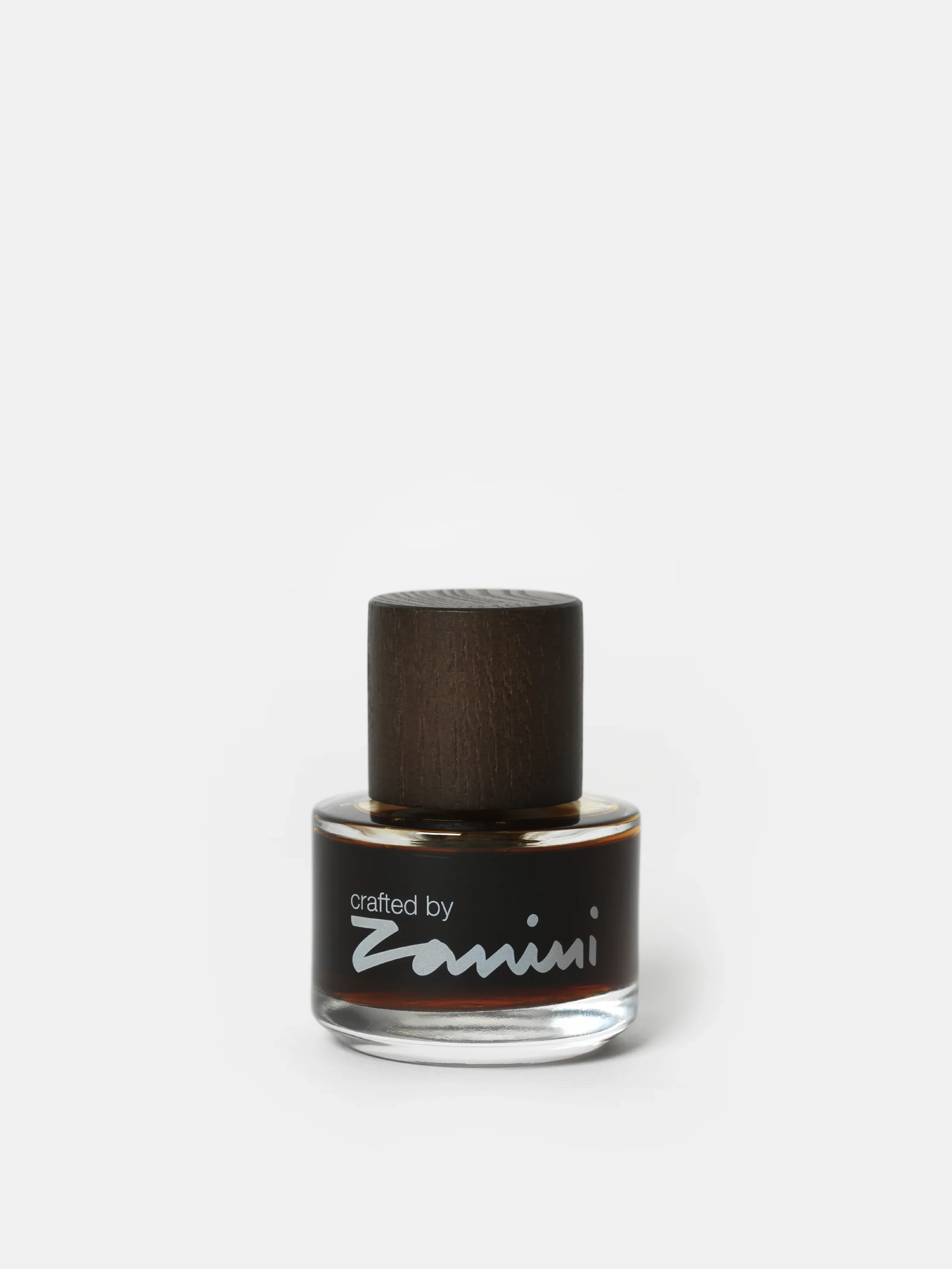
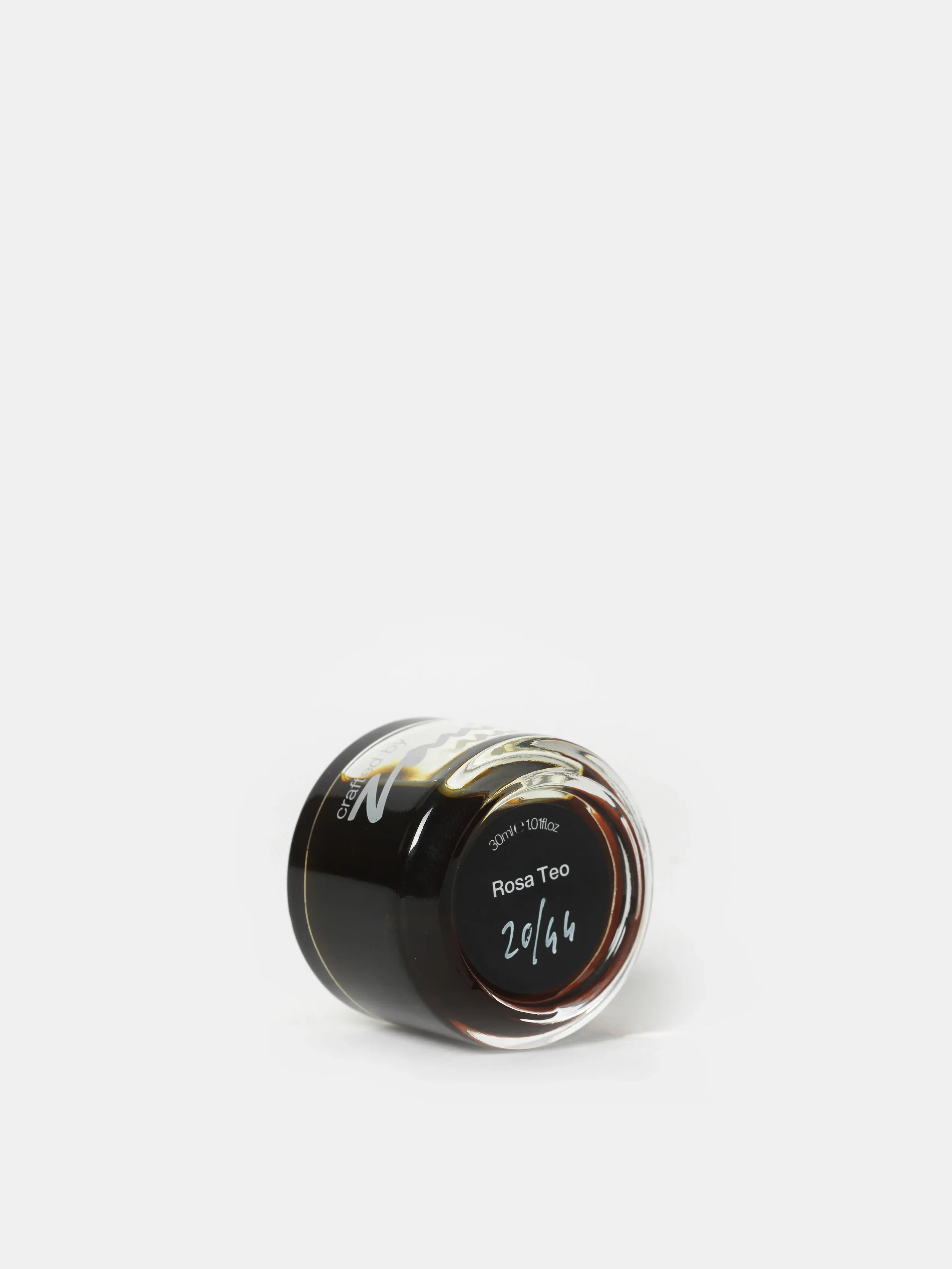
I made Rosa Teo this way. 46% Extrait
Scent notes
Rose, Verjuice, Calamus.
Ingredients
Bulgarian rose, Turkish rose, Centifolia rose, Mimosa, Saffron, Honey, Pollen, Verjuice, Borage, Hedychium spicatum, Calamus, Benzoin, Liquidambar, Galangal, Nagarmotha, Chaste tree, Mastic, Salt, Ginger, Cultivated Kinam oud
Limited edition of 44 bottles. One available here, and it won’t be restocked.