the films were never the destination
An interview with Seongnam Christian Choi Chevalier, founder of Moth and Rabbit, on memory, grief, transformation and the emotional landscapes that become scent.
Most perfume brands start with a note, an ingredient or an idea. Moth and Rabbit starts somewhere else entirely. What began as a conversation about cinema slowly turned into one about memory, loss, mental health and the emotions that are often easier to smell than to explain.
What stays with me is definitely not the filmography. It is the honesty underneath it. A brand built from grief, carried through a city, translated into scent.
Your fragrances draw from a very specific cinematic universe: Antonioni, Lanthimos, Godard, etc. These are not just random films. Who decided which stories were worth translating, and what disqualified a film from the series?
I never start by asking whether a film is famous or important. I ask whether it leaves a mark. Some films stay with you long after the credits have ended. They create a feeling that continues unfolding over time. Those are usually the films that interest me.
A film is not disqualified because it is good or bad. It is disqualified when I cannot find an emotional space that feels alive enough to translate into another medium. Ultimately, the films are selected because they become vehicles for discussing something larger than themselves - desire, loneliness, identity, transformation, memory, love and loss. The film is simply the starting point. The real question is whether it opens a door into a meaningful human experience. If there is no emotional residue left behind, there is nothing for us to work with.
Most perfume houses begin with a material, a memory or a mood. Moth and Rabbit begins with someone else's story. What does that constraint give you that starting from scratch never could?
For me it was never really someone else's story. Moth and Rabbit began during a period of grief after my first boyfriend passed away. At the time I found myself searching for ways to understand emotions that felt too large and too abstract to describe directly. I wasn't looking for a perfume concept. I was looking for a language.
Cinema became that language. Films offered emotional landscapes that I could enter, explore and eventually translate into scent. They became a bridge between personal experience and artistic expression. In that sense Moth and Rabbit was never really about movies. The movies were a way of approaching feelings I could not yet articulate myself.
Over time I realised that many films function as mirrors of society. They capture collective fears, desires, contradictions and dreams. By translating films into scent, I was often translating something much larger than the film itself. What looked like somebody else's story often turned out to be a reflection of my own.
Moth and Rabbit is built around a dialogue between cinema and perfumery. How does that conversation actually begin? At what point does a film stop being a reference and become an olfactive project?
It usually begins with a question rather than a film.
“What does loneliness smell like? What does obsession smell like? What does desire smell like? What does transformation smell like?”
Sometimes a scent or emotional atmosphere exists in my mind long before I find the right film for it. Sometimes the film comes first. The process is less about selecting films and more about recognizing connections between emotions, memories and cultural references. At some point the film stops being a collection of scenes and becomes an atmosphere. When we can describe that atmosphere without talking about the plot anymore, we are already moving from cinema into scent. The film becomes a reference. The emotional landscape becomes the project.
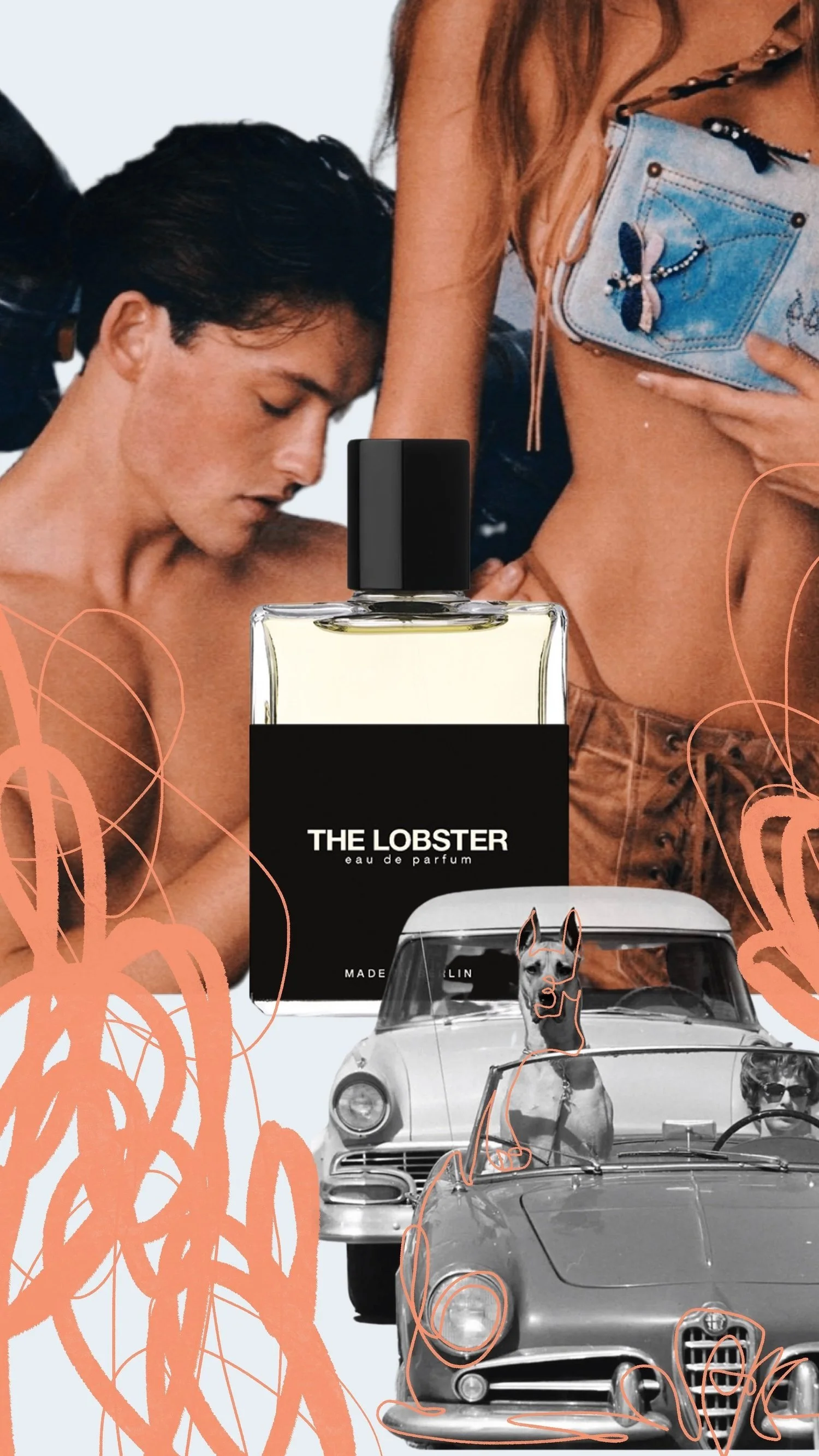
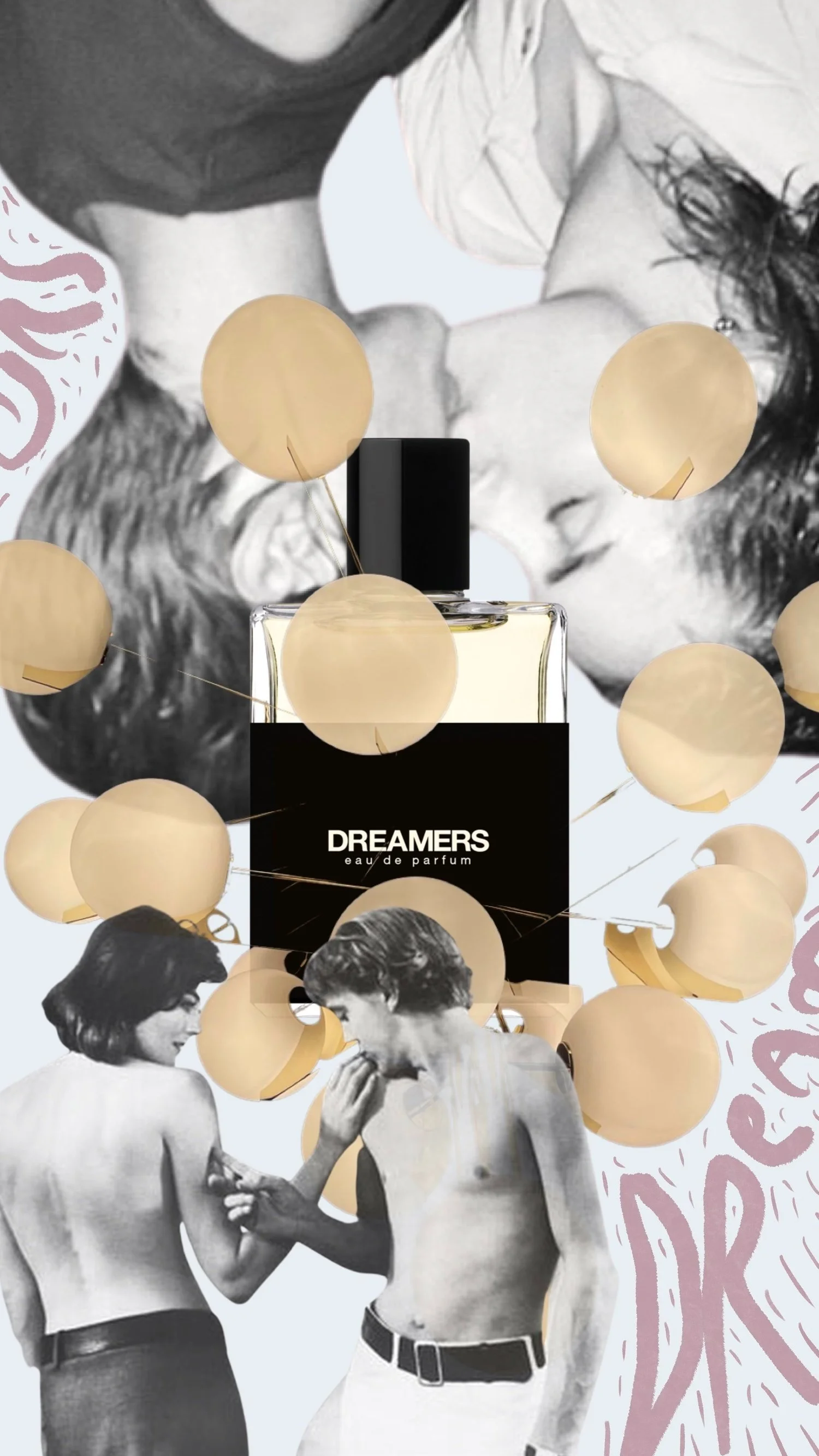
Has working on a fragrance ever changed the way you remember a film? Or made you realise you had been misreading it?
Not really. Usually the opposite happens. By the time we begin working on a fragrance, I already have a very clear feeling, atmosphere or emotional territory in mind. In many cases, the film was selected because it already resonates with that feeling. The process is less about discovering what a film means and more about asking whether we can successfully translate a specific emotional experience into scent.
I often provide very specific references - exact sequences and moments from a film that I believe contain the emotional core of the project. Sometimes it is only a few minutes within an entire film that matter. Those moments become anchors for the fragrance development. The question is always the same: does the scent scratch the same emotional spot as the film? If it does, we continue. If it doesn't, we rethink it. Sometimes that means changing direction entirely. Sometimes it means abandoning a project altogether.
Have you ever watched a film and realised halfway through that it should never become a perfume?
Honestly, not really. My brain tends to work in the opposite direction. When I encounter something emotionally powerful, unusual or even uncomfortable, my instinct is often to wonder what it would smell like. The challenge is not whether a film can become a scent. The challenge is whether we can find the right scent. The question is never "Should this become a fragrance?" The question is: what would this smell like?
Cinema tells us exactly where to look, but perfume leaves that space open. When someone wears one of your fragrances and has never seen the film. Is that a loss, or is it closer to what you actually want?
Not at all. In many ways that is the most interesting experience. The fragrance should stand on its own. The film is a starting point, not a requirement. If somebody discovers the fragrance first and creates their own story around it, that is perfectly valid.
“Once a scent enters somebody's life, it begins collecting new meanings that have nothing to do with us. The goal is not to preserve a film in perfume. The goal is to create a new emotional experience.”
Translation always creates something that never existed in either language. At what point does a Moth and Rabbit fragrance stop belonging to the film and become its own work?
For me, it never really belongs to the film in the first place. Moth and Rabbit does not try to translate an entire film. What interests me are specific moments, fragments and emotional territories - sometimes a visual, sometimes a dialogue, sometimes a piece of music, sometimes simply a feeling that appears for a few seconds and then disappears again.
The film becomes a reference point rather than an owner of the idea. The moment I recognize that connection is already the moment the work begins becoming its own thing. From that point onward, I am no longer thinking about the film itself. I am thinking about the emotional territory that the film helped reveal. The film does not define the project. It simply helps illuminate it.
Your founding symbols, the moth and the rabbit represent transformation and reproduction, but transformation and reproduction are also in deep tension with each other. Which one is Moth and Rabbit closer to, honestly?
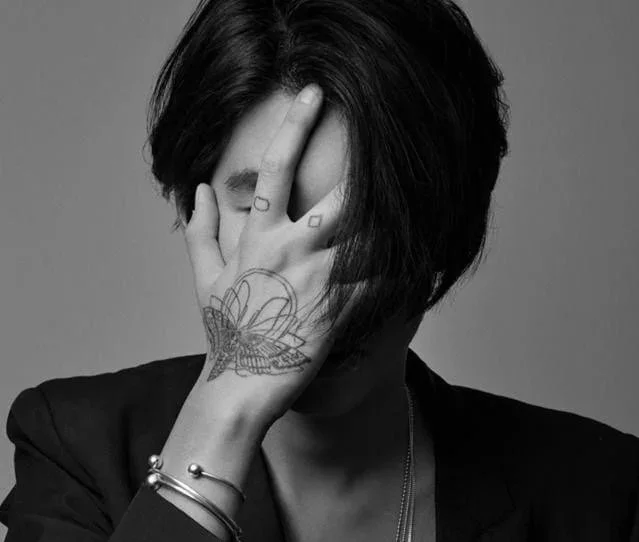
I don't actually see them as being in tension. The rabbit is me. The moth is literally tattooed on my hand. Before they became a brand, they were already part of my personal story and identity.
For me, the rabbit has always represented movement, curiosity and adaptation. Rabbits survive because they remain alert to their environment. In a way, Moth and Rabbit has always tried to do the same. The project evolves with culture, society, new conversations and new artistic forms. It never stands still. The moth represents a different kind of transformation. Moths are drawn toward light. They embody attraction, risk, change and the desire to move toward something unknown.
Transformation generates new possibilities. Reproduction allows those possibilities to continue existing beyond the original work. Moth and Rabbit lives somewhere between those two forces.
Your references lean heavily toward European art cinema. What keeps drawing you back to those quieter, more ambiguous worlds?
I'm not sure I would agree with that premise. Some of the films that have influenced Moth and Rabbit most deeply come from Korea, Japan, the United States and elsewhere. For me, the origin of a film has never been the deciding factor. What matters is whether a film leaves something behind. I am looking for a moment where a memory, a feeling and a scent suddenly align. When that happens, the film becomes part of the conversation.
Berlin has its own specific relationship with transformation. The city has been destroyed, divided, rebuilt and gentrified. How much of that finds its way into the work, even when the film has nothing to do with Germany?
A great deal of it. Not necessarily through Berlin's history itself, but through my personal history within the city. I grew up in Berlin. I went to school here. I experienced my first love here, my first significant loss, my first encounters with death. I experienced my first manic episode here and began confronting what it means to live with bipolarity.
So Berlin is much more than a place where Moth and Rabbit happens to be based. It is one of the emotional foundations of the project. When I think about Berlin, I don't only think about architecture or politics. I think about memories. Friends. Relationships. Specific streets. Specific nights. Places that no longer exist. Berlin constantly changes, but somehow those memories remain embedded within it. Even when a project is inspired by a film from Korea, France or the United States, Berlin is often present somewhere beneath the surface. Not as a subject. But as a source.
Minimalism and irony are two words that appear in almost every description of Moth and Rabbit. Since irony can be a shield, what is Moth and Rabbit genuinely serious about?
Human experience. Connection. Loneliness. Desire. Loss. Transformation. Healing. Hope. Especially mental health.
My first motivation for creating Moth and Rabbit came from trying to understand grief and memory in my own life. Today I see it as an exploration of the emotional experiences that connect all of us. Cinema, fragrance, installations, objects and spaces are simply different languages for discussing the same thing. Most people carry things they rarely speak about: loss, fear, anxiety, depression, loneliness, questions about identity and belonging. For me, scent has never been merely decorative. Throughout my life it has often been a companion. Something that could calm me down, ground me, remind me who I am, help me move through difficult periods. That is why healing is such an important part of the project. Not healing in the sense of fixing people, but creating moments of reflection, recognition, comfort, curiosity or connection. If there is one thing Moth and Rabbit is genuinely serious about, it is helping make everyday life a little more meaningful, a little more beautiful and perhaps a little easier to carry. Because at the end of the day, art, scent and human connection all have the ability to remind us that we are not alone.
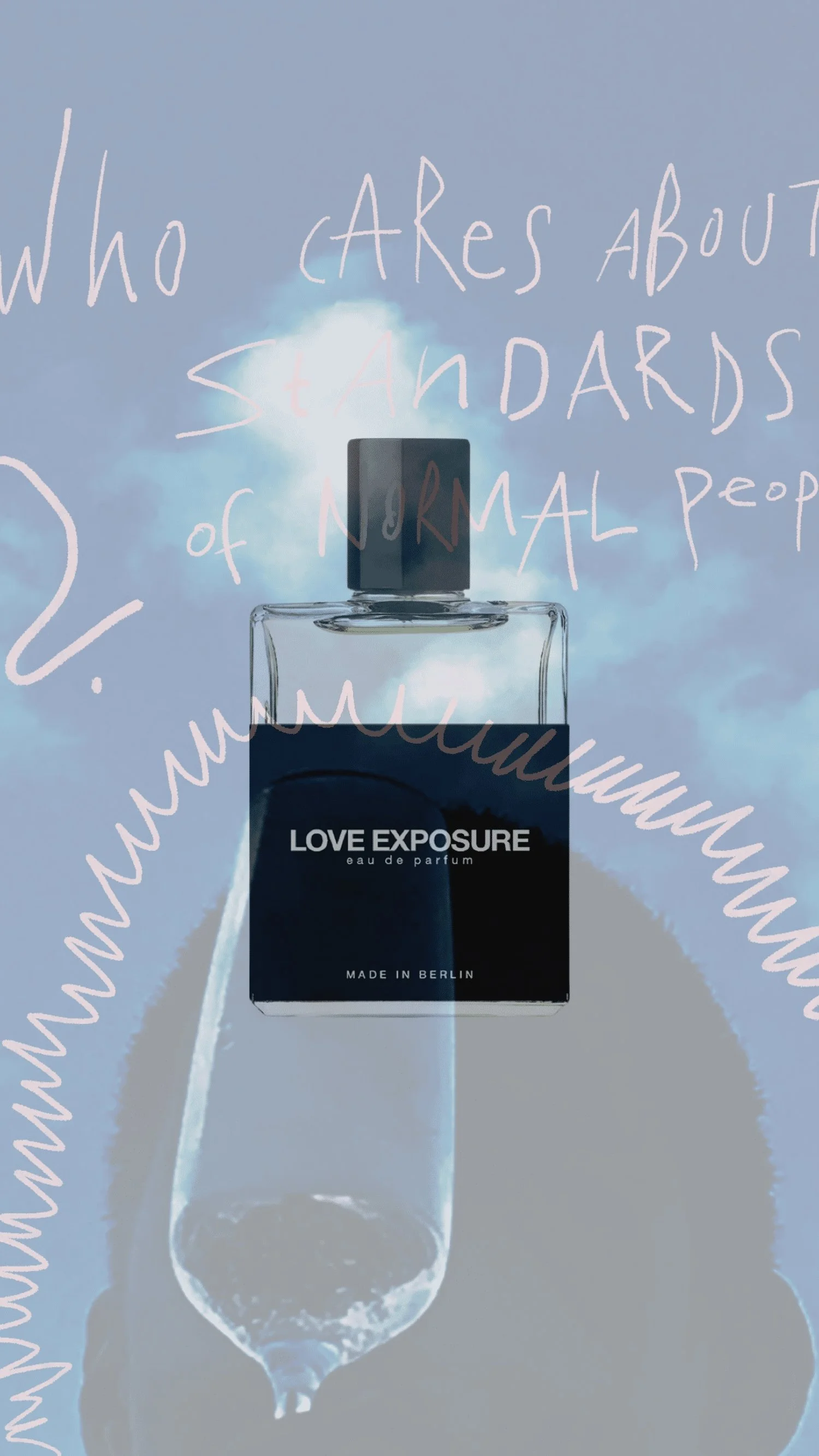
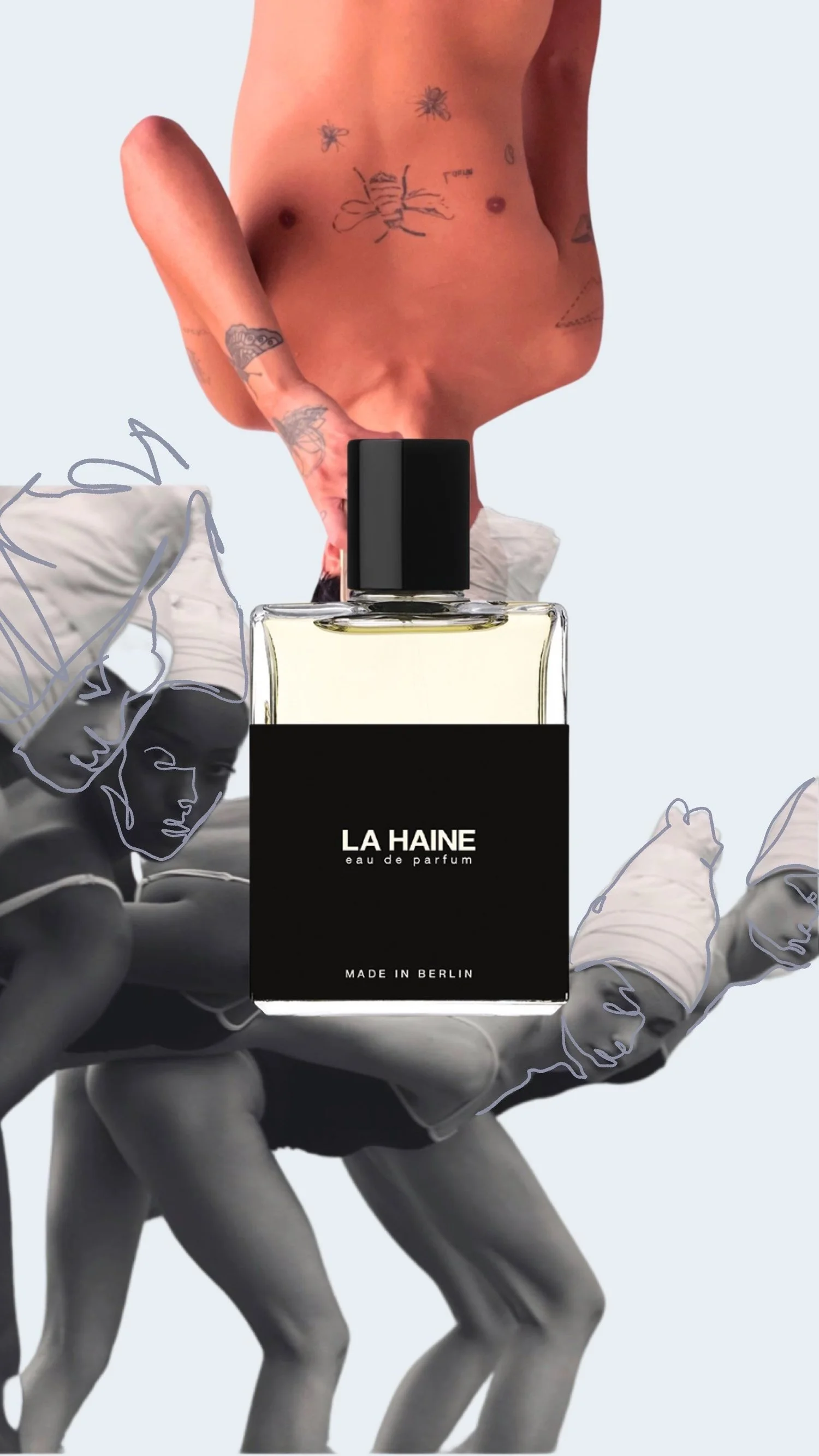
Modern luxury often sells exclusivity as a feeling of arrival. Your work seems to be about something closer to discomfort. Films like Enter the Void or La Haine are not comfortable experiences. Is there a tension between the luxury market you operate in and the stories you choose to tell?
I have never really thought about Moth and Rabbit as a luxury project. For me, it has always been about creating an honest realm and finding a family of people who connect with it. Fragrance is part of that universe, but it is only one language among many.
People often associate luxury with status, exclusivity or arrival. My understanding of luxury is very different.
“Modern luxury is time. Modern luxury is wellbeing. Modern luxury is investing in yourself and caring for the people you love.”
There were moments when fragrance helped me navigate grief, uncertainty and periods when my mind was moving too quickly. I am not interested in creating comfort for the sake of comfort. I am interested in creating experiences that trigger something: a memory, an emotion, a question, a new perspective. The most meaningful experiences in life rarely happen inside our comfort zones.
What does a scene smell like before language catches up with it?
I'm not entirely sure I agree with the premise of the question. In most great films, the dialogue is only one element among many: the music, the pacing, the visuals, the acting, the atmosphere are all working together. For me, asking what a scene smells like before language catches up with it is a bit like asking what a kitchen smells like before cooking begins. The answer depends entirely on the ingredients.
Sometimes a scene feels cold. Sometimes hopeful. Sometimes lonely. Sometimes dangerous. Those emotional qualities are usually what guide me toward a scent. I am less interested in translating individual words and more interested in translating the overall experience. The feeling the scene leaves behind. The emotional residue. That is usually where the fragrance begins.
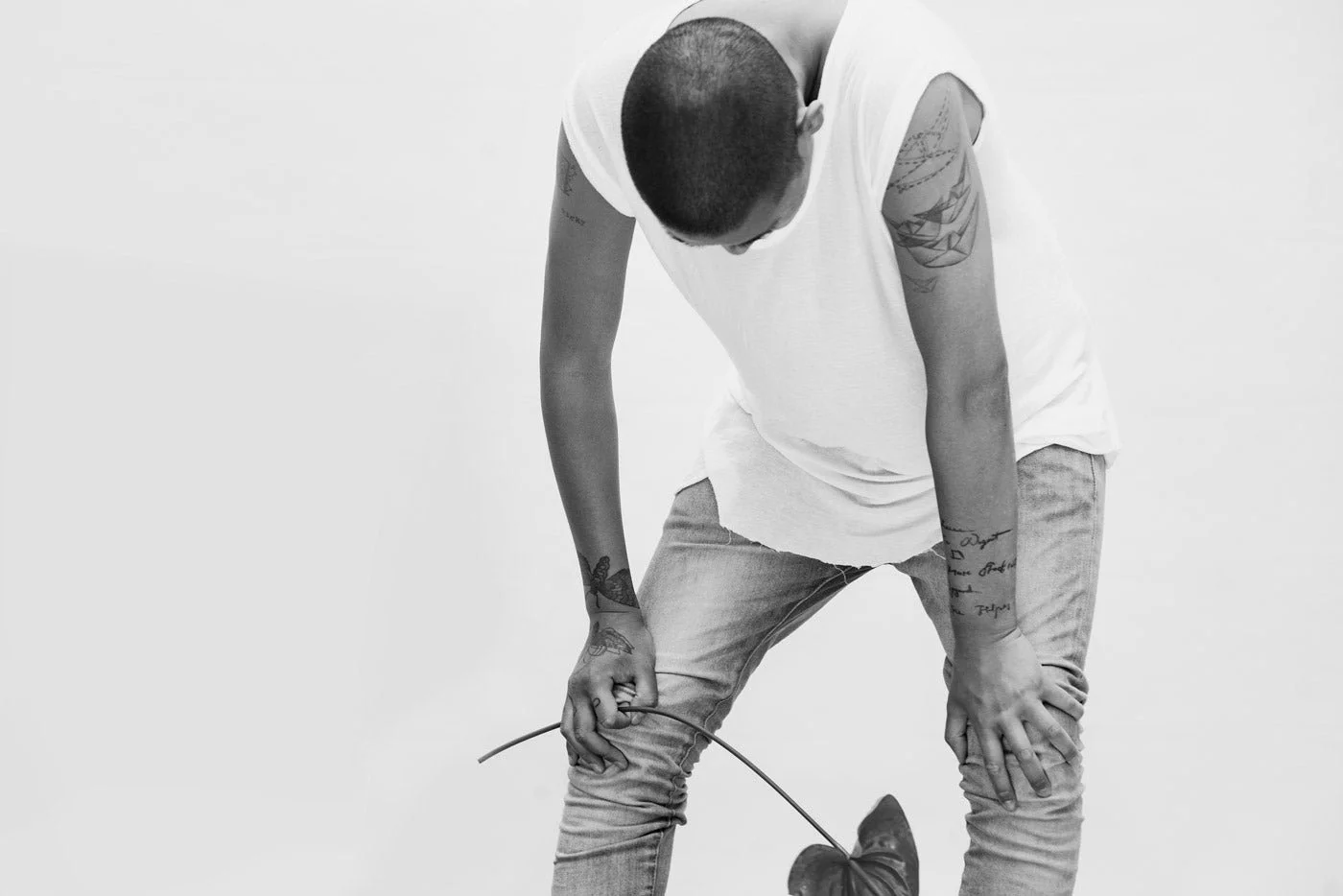
Closing Thought by Seongnam Christian Choi Chevalier
People often describe Moth and Rabbit as a perfume house inspired by films.
I actually see it differently.
“The films were never the destination.
They were never even the source material.
They were coordinates.”
They helped me locate emotional territories that were otherwise difficult to describe.
The real subject has always been human experience — how we process memory, loss, desire, transformation, healing and connection. Cinema gave me a language when I struggled to find one myself. Fragrance became one medium among many through which that conversation could continue. Everything we create is ultimately an attempt to make invisible emotional experiences tangible. That, more than cinema or perfume, is what Moth and Rabbit is about. Because at the end of the day, art, scent and human connection all have the ability to remind us that we are not alone.
