random access to our memories
In the spring of 2013, I was a university student, walking to meet my then-girlfriend. That was the day Get Lucky came out. I had it on loop, with a quiet certainty inside me that something important was happening, and somehow I was part of it. Nothing you'd remember, except you do. Sunlight, a light breeze, trees in bloom, pollen drifting through the air.
We met in front of the arthouse cinema. She wore L'Impératrice by D&G I was wearing Luna Rossa by Prada and Final Cut: Ladies and Gentlemen was playing inside. I didn't know then that one day this would simply be a memory.
I didn't know either that years later, when I'd listen to Random Access Memories again, I wouldn't just hear an album. I'd hear light, warmth, scent and that particular spring.
During the pandemic, I couldn't go to concerts, so I bought a record player. I wanted to support mostly Hungarian bands by buying their records, but RAM was one of the first albums I picked up. The same music, but now physically in my hands. The needle in the groove. Analog sound filling the room.
Something had changed. Or maybe something came back?
The album didn't change.
It was me.
Random Access Memories wasn't what many people expected from Daft Punk. People were waiting for raw, sample-heavy French electronica. Instead we got live musicians, funk, disco, analog recordings, and an almost obsessive attention to detail.
On Giorgio by Moroder, they placed three microphones side by side from different eras: one from the '50s–'60s, one from the '70s disco period, and one modern. As Moroder tells the story of his life, the engineers switch between them so the sound quality follows the era he's describing. The whole album works like this. Precise details you might not be able to name, yet you feel them anyway.
The bass line in Get Lucky isn't exactly the same all the way through. That subtle inconsistency, played by a human being, is what makes it warm and alive. You can simulate it digitally, but it's never going to be the same. Music affects the body physically. Low frequencies stimulate the vagus nerve, which connects emotion and bodily sensation. That's why you feel the rocket launch in Contact in your chest. You don't just hear it. It moves through you.
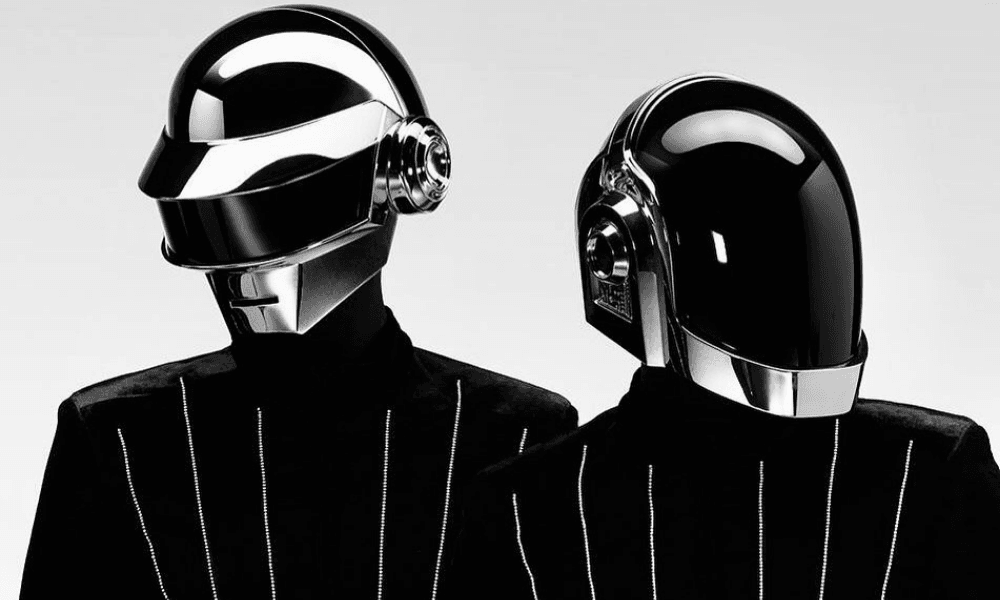
And here comes the paradox: Daft Punk were humans dressed like robots. Chrome helmets, faceless figures. Yet they created one of the most emotional albums of the decade.
Within begins with a fragile piano, like the song itself isn't entirely sure of its direction. A robot sings that it cannot feel, only process. It sees the structure but doesn't live it. And yet there is something in it which suffers because of that. As if there were a presence inside the machine that wants to be more than circuits and logic. That knows something is missing.
It knows exactly what it cannot do. And that is what makes it human.
In the middle of Touch, when everything falls silent and only a single voice remains, saying that ”you almost convinced me I’m real” something stops inside you.
The title is a wordplay. RAM, as in computer memory. And random access to what we've lived. A song, a scent, and suddenly you're somewhere else again. Memories don't return in order. They simply arrive.
I started wondering what robots would smell like if they had a scent. Metal. Electricity. Warming cables. Industrial air. It's not an abstract question anymore. There are niche perfumes that explore exactly this boundary:
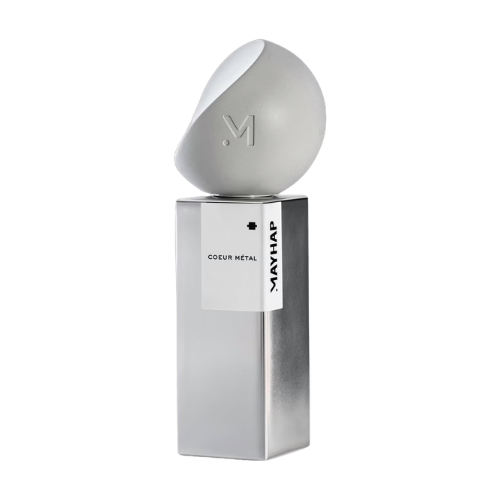
Mayhap's Coeur Métal opens with the sharp bite of hot iron and coriander, a metallic cold that feels almost aggressive at first. Then something shifts. Cedar and papyrus soften the edges, and by the time it reaches the base, leather and skin notes turn it warm. Cold steel that forgets it was ever cold. Does a metal heart beat? This one suggests it might.
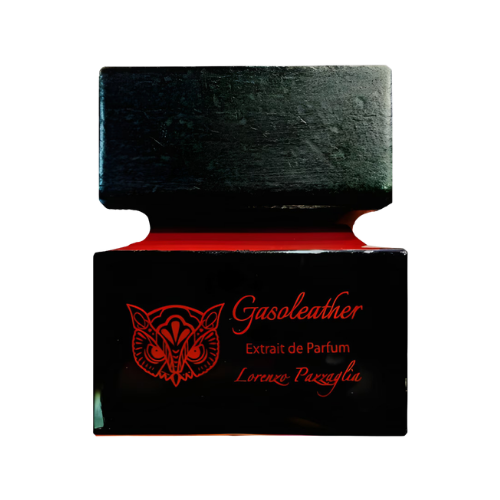
Lorenzo Pazzaglia's Gasoleather doesn't ease you in. Gasoline, smoke, benzoin and a flash of raspberry hit immediately, industrial and raw. But underneath, something more complex is happening. Nagarmotha, oakmoss, frangipani, ylang-ylang. The machine has depth. By the dry down, oud, amber, vanilla and musk make it almost tender. As if the robot had been running long enough to develop something resembling warmth.
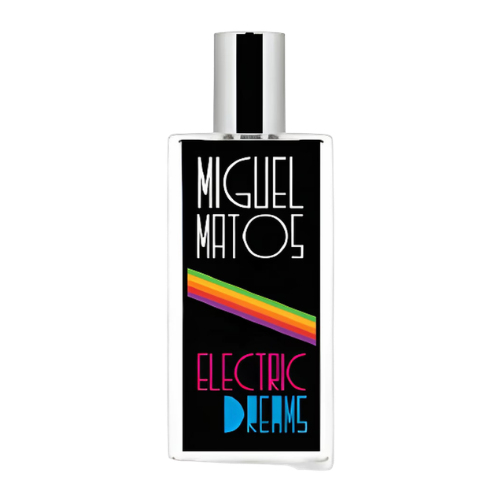
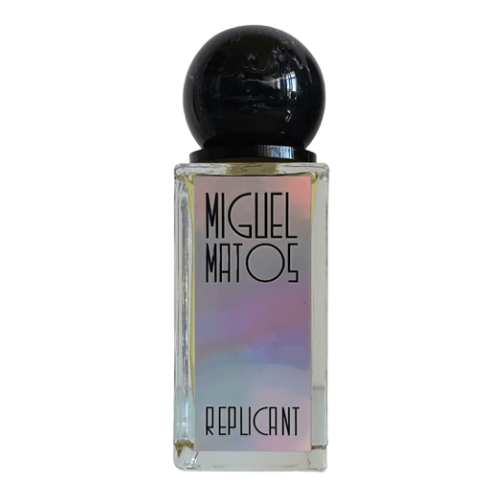
Miguel Matos' Electric Dreams is stranger and more playful. Plastic, bubblegum, banana, fruit salad, smoke. It shouldn't work and it absolutely does. This is neon, synthetic pulse, the hum of something electric in a small room. Replicant, from the same nose, is its colder twin. Aldehydes, black pepper, peach and metallic notes up top, carnation and lavender in the heart, then incense, honey and leather beneath. Precise, slightly clinical, but never empty. Same creator, completely different soul. Just like Guy-Manuel and Thomas.
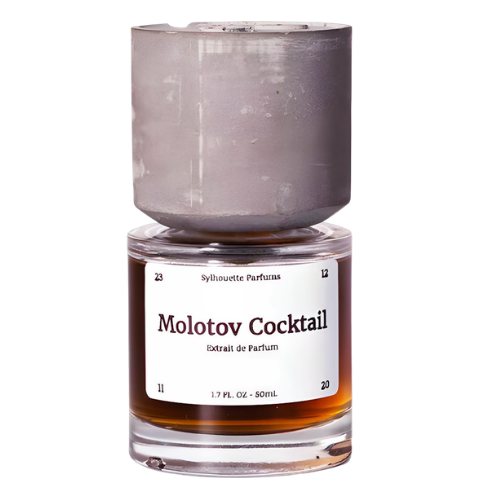
Silhouette Perfumes' Molotov Cocktail opens with gasoline, pepper and vodka, and gets more unsettling from there. Rubber, blood, sweat in the heart. Then metallic notes, iodine and leather in the base. This is not a comfortable fragrance. But somewhere underneath everything, there is skin. As if the boundary between flesh and machine had already been crossed, and you're only now realizing it.
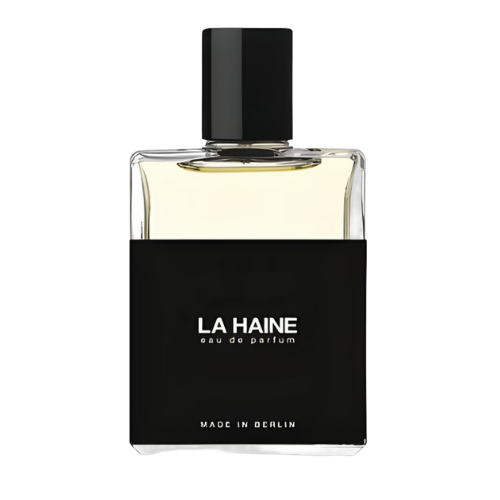
Moth and Rabbit's La Haine leads with metallic notes, aldehydes, rum and blood. Birch tar and rubber follow, then cedar, cardamom, nutmeg. It ends in moss and black musk. Cold, urban, isolated. But the spices give it something almost human. Human, machine, city. After all.
It's no coincidence that Chanel's last No. 5 campaign used Veridis Quo.
A melancholic instrumental by a robot-aesthetic duo accompanies one of the most iconic fragrances in the world. The music from behind the chrome helmet now lives inside a bottle.
The spring of 2013 is not data. Not metadata. Not an algorithmically generated experience. It was light between narrow streets, fountains and warm air moving through my shirt.
AI is intelligent. It learns quickly. It sees patterns, rhythm, structure. It recognizes the architecture of emotion. But it does not feel. It does not pause when the air shifts in the middle of a song. It does not associate temperature, scent, light with memory.
If emotion were only an algorithm, it wouldn't hurt this much.
And maybe it wouldn't be this beautiful.
That is our hope.
That we are more.
